
Losing fat on a Gujarati diet, without giving up Gujarati food
The short answer
You can lose fat without giving up Gujarati food. Most of the surplus in a normal Gujarati day sits in the cooking oil, the sugar in shaak and chaas, the farsan, and the quantity of rotli and rice, and every one of those can be reduced without changing what you eat. Keep the dal, the chaas and the vegetables. Add protein at every meal, because a vegetarian Gujarati plate is usually short of it. I have run these changes with members here for twenty-five years and they hold, which is more than any crash diet manages.
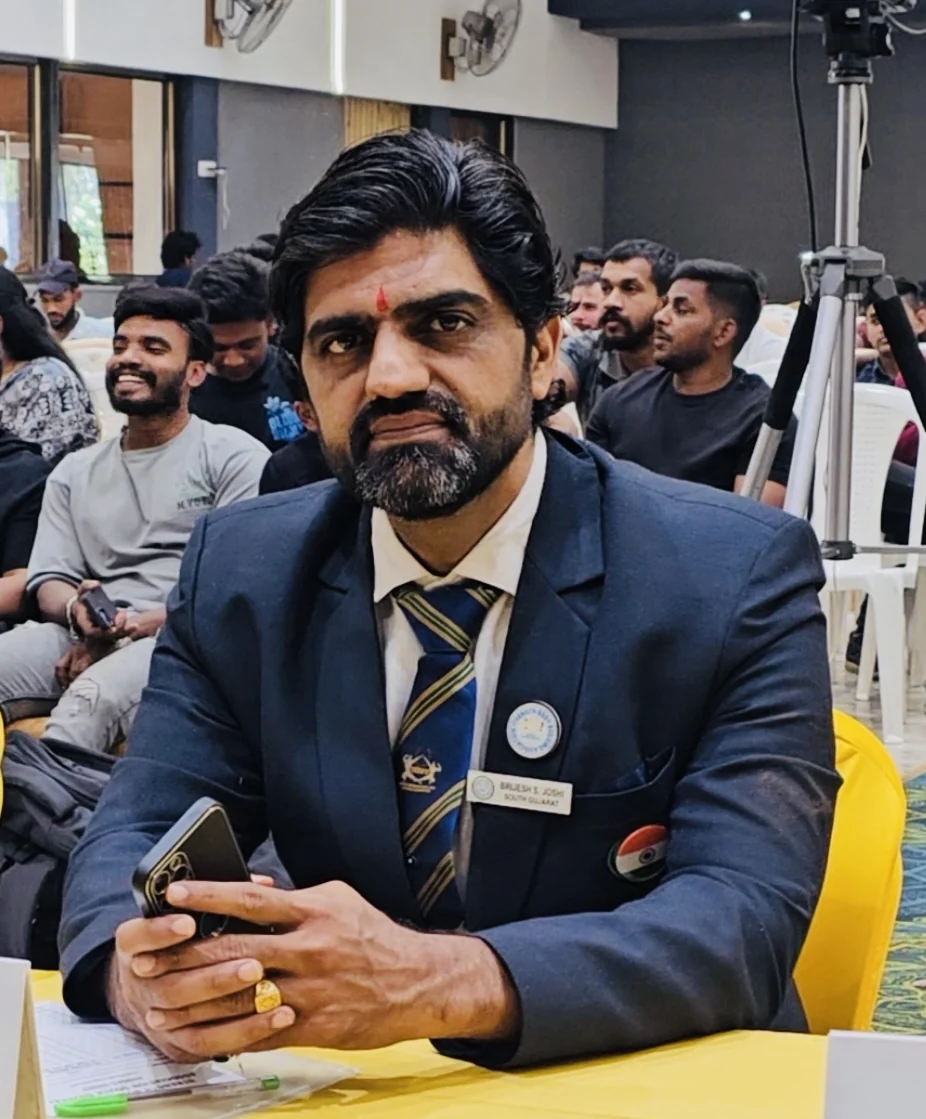
Written byBrijesh Joshi
Founder of S R Gym, Surat, coaching since 1999. President of the Strength Bodybuilding Association South Gujarat and a registered IBBFF judge. See credentials.
- Published
- Reading time
- 5 min read
Almost every diet plan handed to someone in Surat asks them to stop eating the food their family cooks. That is why almost every one of them fails by the third week.
What a normal Gujarati day actually looks like
Tea with sugar and biscuits early. Thepla or khakhra, or poha, mid morning. A lunch thali, rotla, shaak, dal, rice, chaas, a piece of something sweet. Tea again around four, usually with farsan. Dinner similar to lunch, sometimes lighter, sometimes not.
None of that is unhealthy in the way people mean when they say “unhealthy”. It is vegetables, pulses, dairy and grains. The problem is not the food, it is that the same plate can be 1,600 calories or 2,600 calories depending on decisions nobody in the kitchen is thinking about.
Where the calories actually are
Four places, in descending order of how much they matter:
- Cooking oil. A tablespoon is roughly 120 calories. A shaak for the family often absorbs three or four, the tempering takes more, and the thepla dough has oil in it before it ever meets the tawa. This is almost always the biggest single lever.
- Fried farsan. Ganthiya, fafda, sev, bhajiya. Delicious, and calorically dense in a way that does not register as a meal because it is eaten standing up with tea.
- Sugar in tea, and in the cooking. Four teas a day at two spoons each is not nothing, and Gujarati dal and shaak carry jaggery or sugar as standard.
- Portion size on rotla and rice. The last two rotla of the meal are usually eaten because they are there rather than because anyone is hungry.
Notice what is not on that list: dal, chaas, vegetables, curd. The parts of the thali people try to cut first are the parts that were helping.
Six swaps that do not ruin the food
- Measure the oil with a spoon. Do not pour from the tin. Same dish, same taste at two spoons instead of four, several hundred calories gone from the day.
- Halve the sugar in tea. Do it over two weeks rather than overnight and you will stop noticing.
- Farsan becomes a twice-a-week thing. Not never. Never fails; twice a week survives.
- Add dal, chana or curd to every meal. The protein is what makes the smaller portion of rotla feel like enough. This is an addition, not a removal, which is why it actually happens.
- Roast instead of fry, where the dish allows. Khakhra over puri, roasted chana over sev.
- Put the vegetable on the plate first. Fill the plate in the order vegetable, dal, then grain, and portion control happens without any counting.
A sample day, with portions
An illustration, not a prescription, the right amounts depend on your body and your activity. Portions here suit an averagely active adult in a moderate deficit.
| When | What | Why |
|---|---|---|
| Morning | Tea with half the usual sugar. Two khakhra, or poha with peanuts and a bowl of curd. | Protein early blunts the mid-morning farsan urge. |
| Lunch | Two rotla, a full bowl of dal or chana, shaak cooked in two spoons of oil, salad, chaas. | Plate order: vegetable, dal, then grain. |
| Evening | Tea. Roasted chana, fruit, or a handful of peanuts instead of fried farsan. | This is the meal that quietly decides the week. |
| Dinner | One or two rotla, shaak, dal or paneer, curd. Rice if you trained that day. | Carbohydrate is more useful on training days. |
Eating at family functions
Surat has a wedding, a festival or somebody's function most weeks, and no plan survives if it requires you to refuse food at them. Two things work.
First, eat normally that day rather than “saving up” for the function, arriving hungry at a buffet is how a controlled week ends. Second, take one plate, take what you actually want on it, and then stop. The damage is rarely the first plate; it is the third.
One heavy day in seven does not undo a week. Four do.
Fasting days
Many members fast on particular days. It is compatible with fat loss and occasionally helpful, but the common failure is breaking the fast with fried farsan and sweets, which can leave the day higher in calories than a normal one. If you fast, plan what breaks it.
Keep these on the plate
- Dal and chana. The protein is doing the work of keeping you full.
- Curd and chaas. Protein, and easier on the stomach than most alternatives in Surat's heat.
- All carbohydrate. The zero-rotla plan is the one people abandon fastest, and it makes training worse.
- Eating with your family. A plan that isolates you at the table has a short life.
How to use this guide
It is general information, not a prescription. If you have diabetes, a thyroid condition, PCOS, kidney problems, or you are pregnant, talk to your doctor before changing how you eat, and tell Brijesh Joshi too, so the training accounts for it.
And no diet on its own is the whole answer. The members whose results are published on this site were training as well, which is what kept the weight they lost from coming back.
Gujarati diet and fat loss: FAQ
- Can you lose weight eating Gujarati food?
- Yes. Fat loss depends on total energy intake, not on the cuisine. In a normal Gujarati day most of the surplus sits in cooking oil, sugar in tea, fried farsan and portion size of rotla and rice, all of which can be reduced without changing what the food is.
- How much oil should I use in Gujarati cooking for fat loss?
- Measure it rather than pouring it. A tablespoon of any oil is about 120 calories, and a family shaak often takes three or four without anyone noticing. Measuring the oil into the pan with a spoon, instead of pouring from the tin, is usually the single largest change available.
- Should I stop eating rotla and rice to lose weight?
- No. Cutting the food group entirely is why most attempts collapse. Reduce the portion, eat it alongside more dal, curd or vegetables, and keep it in the meal. A smaller quantity of the food you actually want beats a larger quantity of food you resent.
- Is Gujarati food too high in sugar for fat loss?
- Gujarati cooking does use jaggery and sugar in dal, shaak and chutneys, and it adds up quietly. It is not necessary to remove it entirely, halving the added sugar in the dishes you eat daily, and in tea, is usually enough to matter without making the food taste wrong.
- What should a vegetarian eat for protein in Gujarat?
- Dal, chana, rajma, moong, curd, paneer, milk and, if you eat them, eggs. Most people trying to lose fat on a Gujarati diet are short on protein rather than short on willpower, and fixing that reduces hunger more than any other single change.
Want this built around your kitchen?
Coaching includes food adjusted to what you actually eat.