
Garba, fitness and your heart
The short answer
Garba does not cause heart disease. What nine nights of hard, unaccustomed dancing can do is bring a heart problem that was already present to the surface, which is why the answer is a check-up and six weeks of conditioning rather than avoiding the season. See a doctor first if you are over forty and inactive, or have blood pressure, diabetes, high cholesterol or a family history. Through the nights, drink steadily, take breaks, and stop at once for chest pain, sudden breathlessness or dizziness.
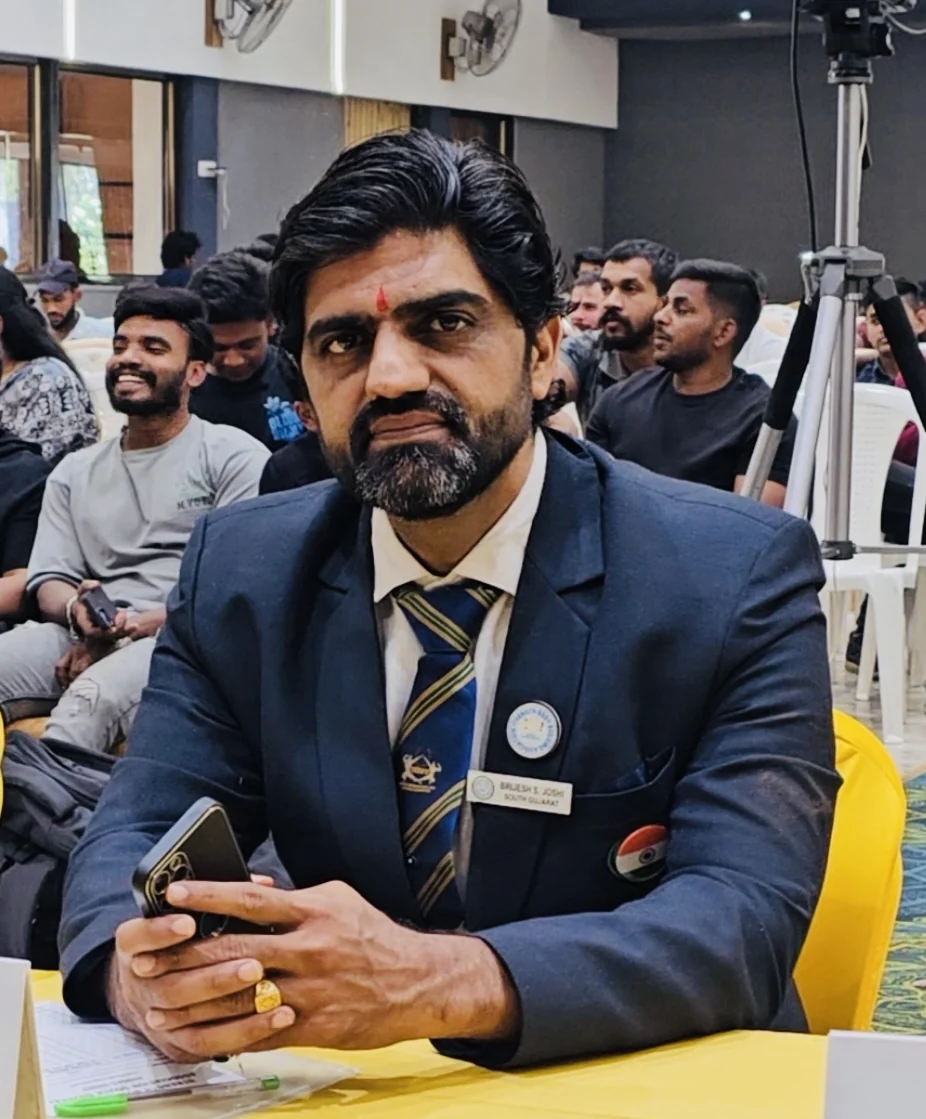
Written byBrijesh Joshi
Founder of S R Gym, Surat, coaching since 1999. President of the Strength Bodybuilding Association South Gujarat and a registered IBBFF judge. See credentials.
- Published
- Reading time
- 6 min read
Every August and September, gyms across Surat fill up with people who want to be ready for Navratri. Brijesh Joshi has watched that happen for twenty-seven seasons. This is what he tells them.
Nine nights is an athletic event
We do not think of it that way because it is a festival, but consider what it actually asks of a body. Three or four hours of continuous rhythmic movement. On consecutive nights. In October heat, in heavy clothing, often after a full working day and on four or five hours of sleep. Frequently on very little water and a plate of fried food.
A trained person handles that comfortably. Somebody who has been sitting for eleven months and then does it nine nights running is asking their body for something it has not been prepared for. That gap between what is demanded and what has been trained is the whole subject of this page.
What exertion does and does not do
This needs saying carefully, because the conversation in Gujarat around garba and sudden cardiac events has generated a great deal of fear and not much clarity.
Physical activity does not cause heart disease. The opposite is true: regular exercise is among the most strongly evidenced things a person can do to reduce cardiovascular risk over a lifetime. Habitually active people have fewer cardiac events, not more.
What sudden intense exertion can do is unmask a problem that was already there. In someone with undiagnosed coronary disease, an inherited rhythm disorder or a structural heart condition, hard unaccustomed effort is a stress test they never consented to take. The risk sits in the undiagnosed condition, and in the sudden and unaccustomed nature of the effort, rather than in the dancing.
The practical conclusion is the opposite of avoidance. Find out the state of your heart, and arrive at Navratri with some conditioning behind you rather than none.
See a doctor before the season if any of these apply
This is the most useful paragraph on the page, and it is the one a gym should be least shy about. Book a check-up before Navratri if you:
- are over forty and have been largely inactive this year
- have high blood pressure, diabetes, high cholesterol, or are a smoker
- have a parent or sibling who had heart disease or a sudden cardiac death at a young age
- have ever had chest discomfort, unusual breathlessness, palpitations or light-headedness during exertion, however briefly
- are significantly overweight and about to attempt several hours of intense activity on consecutive nights
- had COVID with any cardiac symptoms and were never followed up
A doctor can tell you in one appointment whether you need anything further. Nobody at a gym can, including this one.
Six weeks of preparation, realistically
If you have six to eight weeks before the season, this is enough to change how the nine nights feel.
- Two or three conditioning sessions a week. Twenty to thirty minutes with your heart rate genuinely elevated. Brisk walking uphill, cycling, or the cardio floor. Build the duration before you build the intensity.
- Two strength sessions a week. Legs and hips particularly. Garba is hours of repeated turning, stepping and rebounding, and calves, quads and hips take the load. Strength there is what prevents the second-night limp.
- Practise the actual thing. Dance for an hour a few times before the season starts. Specific preparation always beats general preparation.
- Fix your sleep before it matters. You will lose sleep during Navratri regardless, so going in already short is a poor position.
During the nine nights
- Drink through the evening. Do not wait for thirst, which arrives late. Pale urine is the check. If you are sweating heavily for hours, take something with salt in it as well as water.
- Eat something real before you go. Arriving on an empty stomach and then eating fried food at midnight is a poor combination for both energy and sleep.
- Take breaks, deliberately. Sit out a few rounds. Nobody is counting, and the people who get into difficulty are usually the ones who did not stop.
- Skip a night if you are unwell. Dancing hard with a fever or an infection is the single worst idea in this entire conversation. Viral illness can involve the heart, and exertion on top of that is genuinely dangerous.
- Go easy on alcohol and caffeine. Both add to dehydration and to strain on your heart rhythm.
Stop immediately if you feel any of this
Not later, not at the end of the round. Sit down, tell somebody near you, and get medical attention.
- Chest pain, pressure, heaviness or tightness
- Pain spreading to the jaw, neck, back or either arm
- Sudden severe breathlessness out of proportion to the effort
- Palpitations, a racing or irregular heartbeat
- Dizziness, feeling faint, or actually fainting
- A cold sweat with nausea
Most of the time these will turn out to be nothing. The cost of checking is an interrupted evening. The cost of not checking is not comparable, and no one has ever regretted stopping.
If somebody near you collapses, call for help immediately and start chest compressions if they are unresponsive and not breathing normally. Large garba grounds in Gujarat increasingly keep medical teams and defibrillators on site, and it is worth knowing where they are before the evening starts.
What Brijesh actually sees, every year
Two patterns, both avoidable.
The first is the person who joins a gym in the second week of September and trains six days a week to be ready for a festival three weeks away. That produces soreness, poor sleep and occasionally an injury, and very little fitness. Six weeks of moderate work beats three weeks of frantic work every time.
The second is the crash diet. Someone wants to fit into an outfit, cuts their food drastically for a fortnight, and then attempts several hours of intense activity a night while underfed and dehydrated. They lose muscle rather than fat, they feel terrible, and they have made the physical demand of the season harder rather than easier.
If you want to look different for Navratri, the honest answer is that the time to start was several months ago, and the second best time is now for next year. Adjusting how you eat sensibly does more over three months than any fortnight of starvation.
After the season
Most people stop entirely once Navratri ends, and by Diwali they are further back than when they started. The people who come out of it ahead keep two sessions a week going through October and November, which is enough to hold the conditioning they built and considerably easier than rebuilding it next August.
Garba and fitness: common questions
- Does playing garba cause heart attacks?
- Garba does not cause heart disease. What intense, prolonged, unaccustomed exertion can do is bring an already existing and often undiagnosed heart problem to the surface. That is a meaningful distinction, because the answer is not to avoid dancing, it is to know the state of your heart and to arrive at Navratri with some conditioning behind you.
- How should I prepare my fitness for Navratri?
- Start six to eight weeks out if you can. Two or three sessions a week that raise your heart rate for twenty to thirty minutes, plus some leg strength work, is enough to make nine nights of garba feel very different. Going from a sedentary year straight into four hours of dancing is the pattern worth avoiding.
- Who should get a heart check-up before Navratri?
- Speak to a doctor before the season if you are over forty and largely sedentary, if you have high blood pressure, diabetes, high cholesterol or are a smoker, if anyone in your immediate family had heart disease or sudden cardiac death young, if you have had COVID with cardiac symptoms, or if you have ever felt chest discomfort, unusual breathlessness, palpitations or faintness during exertion.
- What warning signs should make me stop dancing?
- Stop immediately and seek help for chest pain, pressure or tightness, pain spreading to the jaw, neck or arm, sudden severe breathlessness, palpitations, dizziness, feeling faint, or a cold sweat with nausea. These are not signs to walk off. Sit down, tell someone, and get medical attention.
- How much water should I drink during garba?
- Enough that you are passing pale urine and not relying on thirst, which lags behind. Nine nights of several hours dancing in a Gujarat October produces real fluid loss, and dehydration adds strain on top of everything else. Water through the evening, and something with salt in it if you are sweating heavily for hours.
This page is general information written by a coach, not medical advice, and it cannot tell you anything about your own heart. If you have any of the risk factors listed above, or any symptom during exertion, see a doctor. In an emergency, seek immediate medical help rather than reading a website.
Six weeks out from Navratri?
That is enough time to change how the nine nights feel. Call +91 98790 69960.